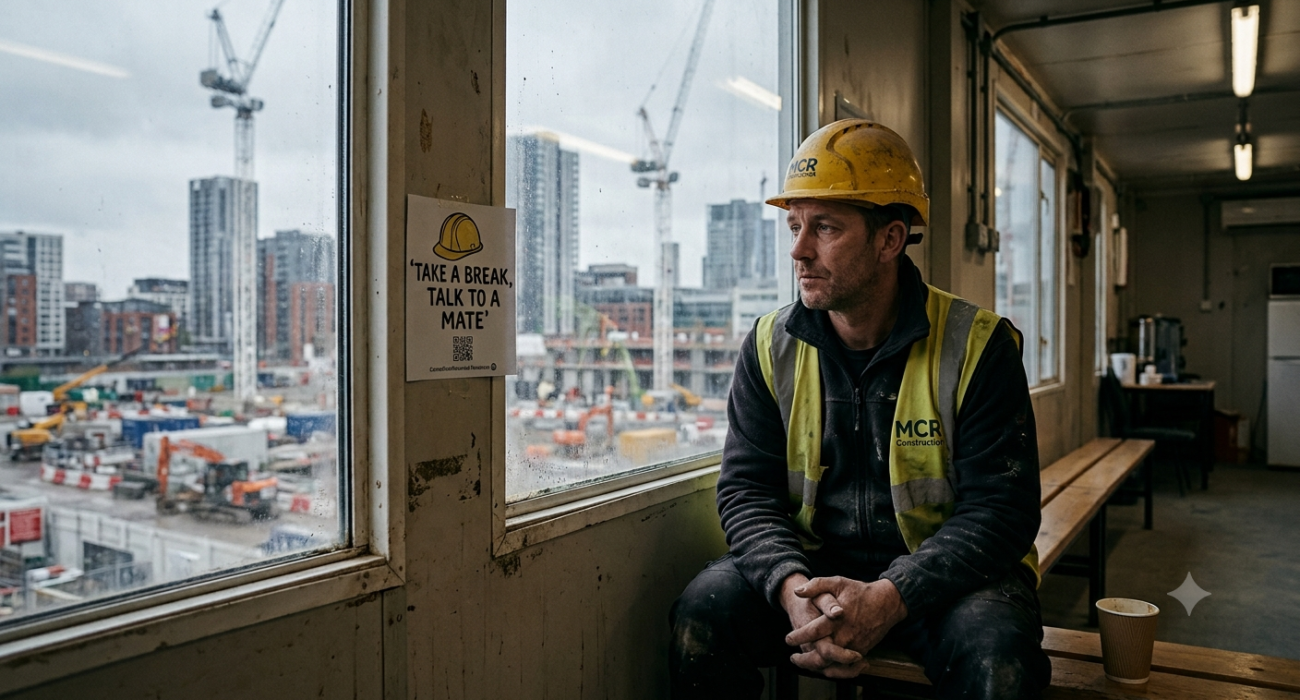
If you work in the trades, you are trained to spot hazards from day one. You know to check your harness, inspect the scaffolding, and keep an eye out for heavy machinery. You look out for the physical safety of the person working next to you because on a job site, your life depends on your crew.
But the deadliest hazard in the construction industry doesn’t trigger a safety alarm, and it isn’t listed on a risk assessment.
We are losing more construction workers to suicide than to all physical workplace accidents combined. The “suck it up and crack on” mentality that has defined the trades for generations is costing lives. It is time to treat mental health as the ultimate site safety issue—and that starts with looking out for your mates.
The Danger of “Cracking On”
Construction is a demanding, high-pressure industry. Between tight deadlines, physical exhaustion, weather delays, and the financial stress of contract work, the pressure can easily build up.
But the culture of the job site often tells workers that talking about stress is a sign of weakness. Instead of asking for help, people carry the weight until they break. Think about it like a structural fault in a load-bearing wall: painting over a crack doesn’t fix the foundation. Eventually, under enough pressure, the wall comes down. The human mind works exactly the same way.
How to Spot the Cracks in Your Crew
You don’t need a medical degree to notice when someone on your site is struggling. Often, the signs are subtle changes in how someone acts on the job. Keep an eye out for these red flags in your crewmates:
-
A shorter fuse than usual: Irritability, sudden anger, or snapping at minor inconveniences are often the first signs of severe stress or depression.
-
Going quiet: If the person who is normally at the center of the site banter suddenly isolates themselves, eats lunch in their truck alone, or stops joining in on conversations, pay attention.
-
Dropping the ball: Uncharacteristic mistakes, showing up late, looking exhausted, or letting site safety standards slip can indicate their head is completely somewhere else.
-
Self-medicating: Joking about drinking too much, showing up hungover repeatedly, or relying heavily on painkillers to get through the day are classic masking behaviors.
How to Step Up for Your Mates
If you notice someone struggling, you don’t need to fix their problems. You just need to crack the door open so they don’t feel alone. Here is how you can actually help on the ground level:
Use the “Ask Twice” Rule
If you ask a tradesperson how they are doing, 99% of the time the answer is, “Yeah, I’m fine.” Don’t accept the first answer if your gut tells you otherwise. Ask again. “No, seriously mate, you’ve seemed a bit off lately. Everything alright?” That second ask proves you are actually paying attention and ready to listen.
Listen Without Trying to Fix It
Men, in particular, are problem-solvers by nature. If someone opens up about a divorce, financial ruin, or depression, your first instinct might be to offer advice. Don’t. Just listen. Let them vent. Sometimes, just hearing someone say, “That sounds incredibly tough, I’ve got your back,” is exactly what they need to hear.
Shift the Conversation from the Pub to the Site
A lot of bonding happens over a pint after work, but alcohol is a depressant and often makes a bad mental headspace much worse. Try checking in during a coffee break or a morning drive to the site when heads are clear.
Strength Isn’t Just Physical
It takes physical strength to haul materials, operate heavy machinery, and work a 12-hour shift in the freezing rain. But it takes a completely different kind of strength to look your crewmate in the eye and say, “I’m not doing okay.”
We need to redefine what it means to be tough in the trades. Toughness is addressing the problem before it takes you out. Check your gear, check your surroundings, and check on your mates. You might just save a life.